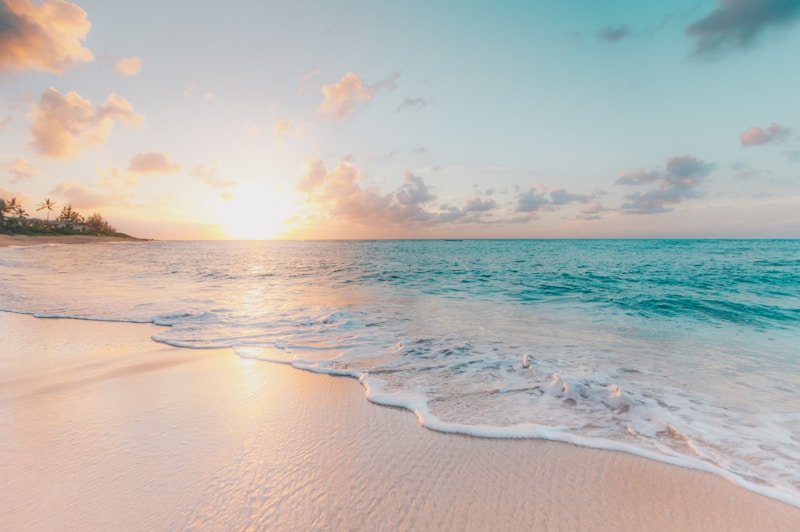
Valencia Beaches: The Complete Guide to 11km of Mediterranean Perfection
Paul Osito examines every beach in Valencia and reaches the conclusion that they are all excellent, some more so than others
Valencia has 11km of urban beach, and Paul Osito has spent time on all of it. Here is his definitive guide to where to go, when to go, and what to bring.
Valencia Beaches: The Complete Guide to 11km of Mediterranean Perfection
Let me tell you about the first time I swam in the Mediterranean at Valencia. It was October. The water was 22°C. The sun was shining. There were maybe thirty other people on the beach. I floated on my back and looked up at the blue sky and thought: I have been doing holidays wrong for my entire life.
Valencia has 11km of urban beach, starting 3km from the city centre. The beaches are clean, well-maintained, and easily accessible. The water is warm from June to October. The facilities are good. And unlike the beaches of Barcelona, they are not so crowded in summer that you need to arrive at 7am to find a patch of sand.
Playa de la Malvarrosa
Malvarrosa is Valencia's main beach and the most famous. It stretches for about 2km from the port to the Patacona neighbourhood, with fine sand, good facilities, and a lively atmosphere in summer.
The beach has showers, toilets, sunbed rental (€6-8/day), and a long promenade (Paseo Marítimo) lined with restaurants and bars. The chiringuitos (beach bars) are excellent — cold beer, fresh seafood, and views of the Mediterranean. La Pepica, on the Malvarrosa promenade, is one of Valencia's most famous restaurants and has been serving paella since 1898.
Malvarrosa is the most accessible beach from the city centre — metro Line 3 to Neptú station, then a 10-minute walk, or bus Line 19 direct to the beach.
Playa de la Patacona
Patacona is the northern continuation of Malvarrosa, in the municipality of Alboraya. It is slightly less busy than Malvarrosa, slightly cleaner, and has a more local atmosphere — this is where many Valencians go rather than the more tourist-heavy Malvarrosa.
Alboraya is also the home of the best horchata in Valencia — the tiger nuts grown here are considered superior to those from anywhere else. Horchatería Daniel in Alboraya is the pilgrimage destination for horchata enthusiasts.
Playa del Cabanyal
Cabanyal beach is in the Cabanyal neighbourhood, one of Valencia's most interesting and rapidly changing areas. The neighbourhood was a traditional fishing village that was absorbed by the city and has been undergoing gentrification in recent years.
The beach here is slightly narrower than Malvarrosa but has a more authentic, local atmosphere. The neighbourhood behind the beach is fascinating — traditional Valencian houses with colourful ceramic facades, small bars and restaurants, and a community that is navigating the tension between preservation and development.
El Saler Beach
El Saler is 15km south of Valencia, in the La Albufera natural park. It is a different kind of beach — wilder, less developed, backed by pine forest rather than urban promenade. The sand is finer and the water is cleaner than the urban beaches.
El Saler is popular with Valencians who want to escape the city crowds. It is accessible by bus (Line 25 from the city centre, 30 minutes) or by car. There are fewer facilities than the urban beaches, so bring your own food and water.
Practical Beach Information
Water temperature: The Mediterranean at Valencia is swimmable from June (22°C) to October (21°C). The peak temperature is in August (27-28°C). In winter, the water is 13-15°C — swimmable for the brave, but most people prefer to admire it from the shore.
Crowds: The beaches are busiest in July and August, particularly at weekends. Arrive before 11am for the best spots. In June, September, and October, the beaches are significantly less crowded and the weather is still excellent.
Facilities: Malvarrosa and Patacona have the best facilities — showers, toilets, sunbed rental, lifeguards (in summer), and numerous restaurants and bars. El Saler has fewer facilities.
Safety: The Mediterranean at Valencia is generally calm — there are no significant waves or strong currents. The main hazard is jellyfish, which appear occasionally in summer. Check the beach conditions before swimming.
Nudism: There are no official nudist beaches in Valencia city, but the more remote sections of El Saler beach are traditionally clothing-optional.
Beach Etiquette
Spanish beach culture has its own etiquette. Towels mark territory — if you put your towel down, that space is yours. Do not play music without headphones. Do not kick sand on other people's towels (this seems obvious but apparently needs stating). Do not leave rubbish on the beach.
The Spanish are generally relaxed about beach behaviour, but they are serious about cleanliness. The beaches are cleaned every morning, and they stay clean because people respect them.

Ready to Experience Valencia?
Stop reading about it and start living it. Book directly with Osito Hub for the best price, personal concierge service, and a welcome basket of local Valencian treats.
We respond within 2 hours. No spam, ever.